|
Painting in the Magical Flitwick Moor (cont.) …….. on a Cold December Morning
|
||||||||
|
December, 2008
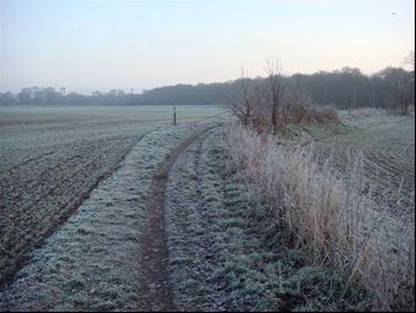
The “Wellies” were okay, but the ski gloves wound up on the ground. Hot coffee was a life saver. “Painting in the Magical Flitwick Moor” presented a glance at the moor in summertime with the many flower varieties, colors, a snow like spread of May flowers, lighting phenomena and fun paintings with a lot of Hooker’s green. Winter offers a much different color, with its own unique beauty, providing equal challenges to a painter. The only thing easier in December is the lack of mosquitoes. During the summer the earth’s tilt towards the sun and the far northern location of England result in a 5AM northeast sunrise and a 10PM northwest setting and seventeen hours of daylight. In December the opposite effect yields a southeast sunrise and a sun peaking at about 20 degrees above the horizon before setting at 4 PM in the southwest and half as much daylight. An artist doesn’t have a lot of optimal light time, and that is probably okay, because too much time produces a frozen artist and an overworked painting anyway. Watercolors behave in a completely different way than they do in a California desert. The paper never dries until you take it in; it’s too cold, and ice crystals can form on the paper. This can produce some unique and beautiful results that would be difficult to duplicate any other way. I headed for my first walk in the moor during our 2008 Christmas visit to England on a frosty morning just after an 8 AM sunrise. An English frost is more like an ice storm with everything covered with heavy rime ice and sparkling crystals. Even spider webs become strands of white velvet string. All of the shallow ground water was frozen, crunching beneath my feet, so mud was not a problem; my “Wellies” could have been ordinary walking boots. The biting wind made me wonder if I could really paint in this kind of weather. This reminded me of my artist friend, Zeke, and his preparatory beginning-of-the-day comment often shouted as we headed out for a day of painting in an Italy. “Okay, men, I am going in.”
The ground was frozen solid so I didn’t have to worry about mud.
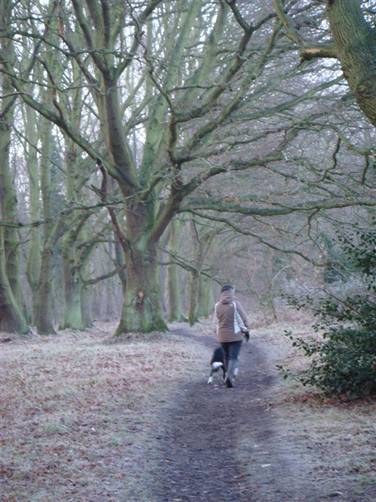
Frost covered spider webStrangely enough, I encountered more walkers this morning that I do on a typical summer day, all walking their dogs. This provides a nice painting scene itself.
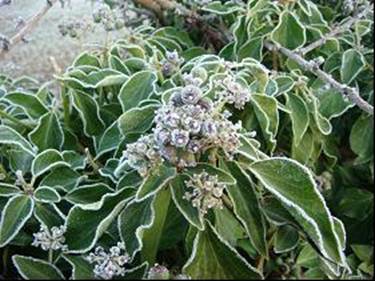
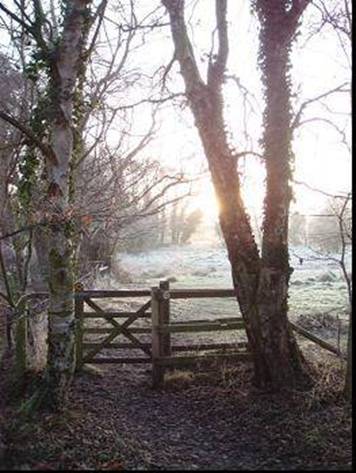
The plentiful population of dog walkers provides an interesting, ever present painting subject to add to your scene. These guys must love their dogs as much as I love plein aire painting. Walking around the moor, I homed in on several scenes that should inspire nice paintings. Nature decorates leaves and limbs with ice in unique ways. A light mist rising over the moor played with the sun to create unusual lighting and colors.
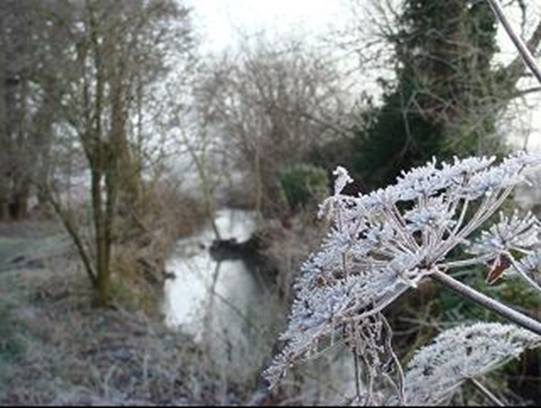
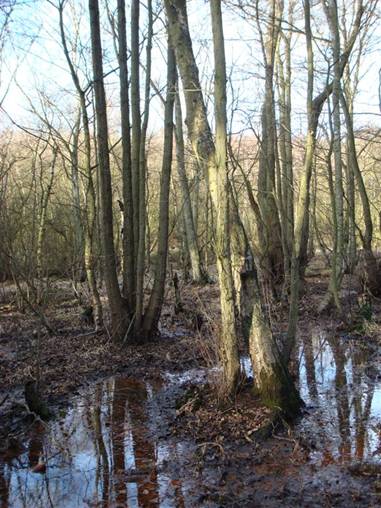
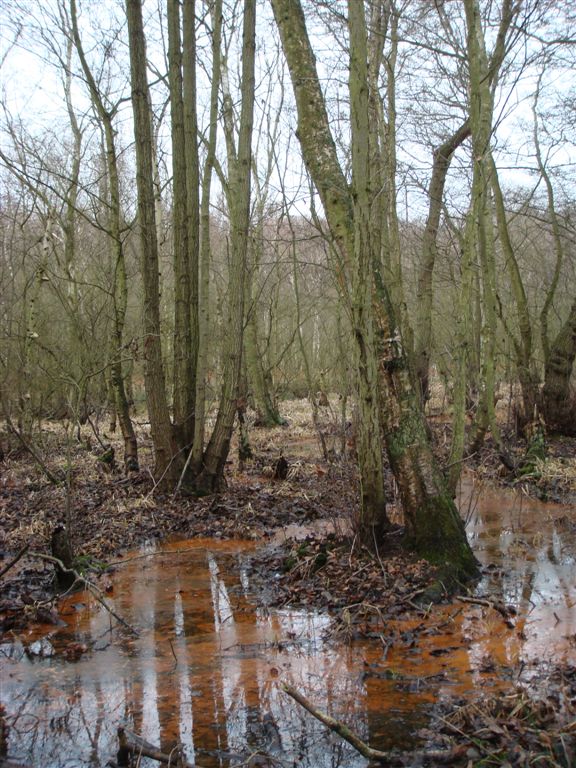
The morning mist rising over the moor plays with the sun creating striking and unusual lighting effects and colors. I am still working out ways to capture such effects in paint. For my first painting I chose a scene along a creek overlooking a bog with groups of trees standing in water, providing interesting reflections. The ever present change in lighting and color as the sun moves in and out of clouds and fog offers yet another challenge. The trees broke up the wind, and it felt much warmer in the woods. When I really get into painting I move into a meditative state, a different world, a world that knows neither time nor pain. Zeke, calls this “being in the zone“, a state that most artists crave. At times I came out of the zone and suddenly discovered that I was shivering cold, and the thermos of hot coffee in my bag set a new ecstasy record.
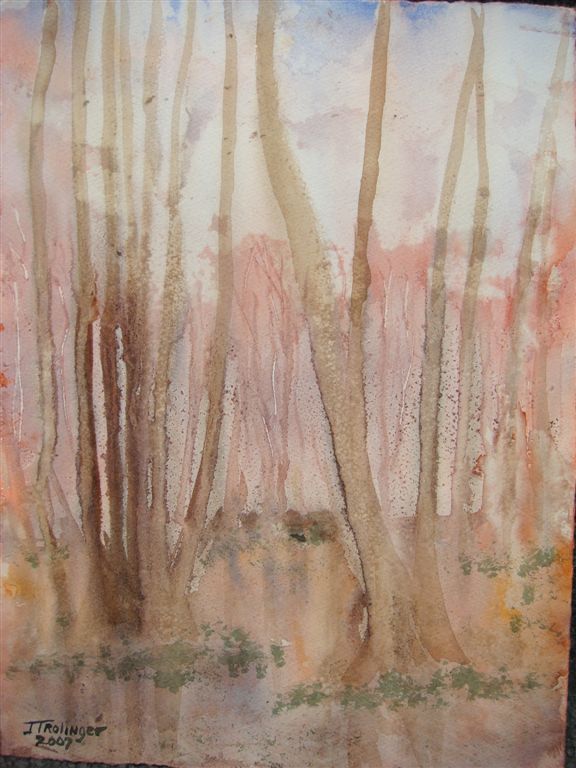
If you don’t like the colors, wait a while and they will change. Notice the blues, yellows, reds and shadows changing as the sun comes and goes. All genuine plein aire paintings possess a mystical energy. Such pieces sit for hours with the artist before the actual scene, and come alive with the very spirit of the environment. As often as not, leaves, dirt, raindrops, and even insects in the surrounds inadvertently get mixed into the piece of work. Such a piece is, indeed, in its entirety, one of a kind in the universe. This particular kind of plein aire painting brings an intense energy to painting. My goal was to capture some of that feeling in these works. One thing for sure, for better or for worse, you will never create a painting like this in a nice warm studio from a photograph. When I look at these pieces, I can feel the cold air and taste the hot coffee I had on that December day.
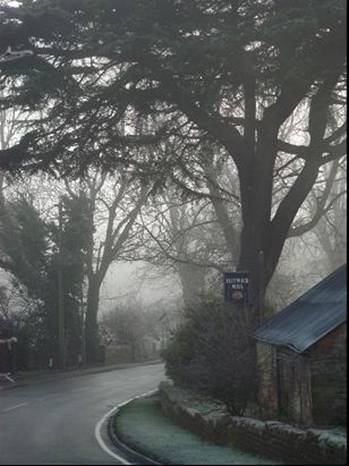
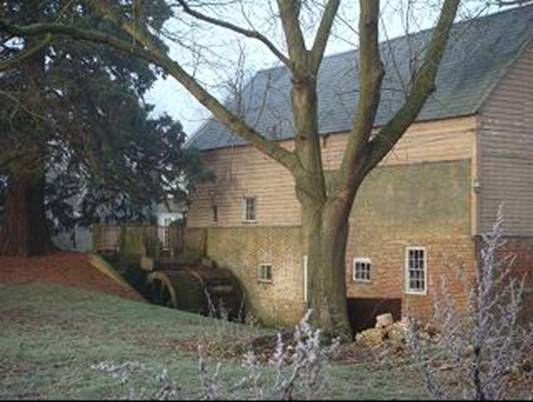
FlitwickMoor 13 Flitwick Moor 14 11"x15, watercolor on paper, painted on location. The paper never dries so you can have several paintings going at once. The combination of that with ice crystals on the paper produces some interesting effects that I barely started exploiting. Next year I will see what I can do with oils in the moor. Packing up and leaving was the most painful part of the experience. It took 15 minutes walking to stop the shivering enough to see other scenes that should be painted. On the way out of the moor I passed Flitwick Mill, which takes on its own winter personality.
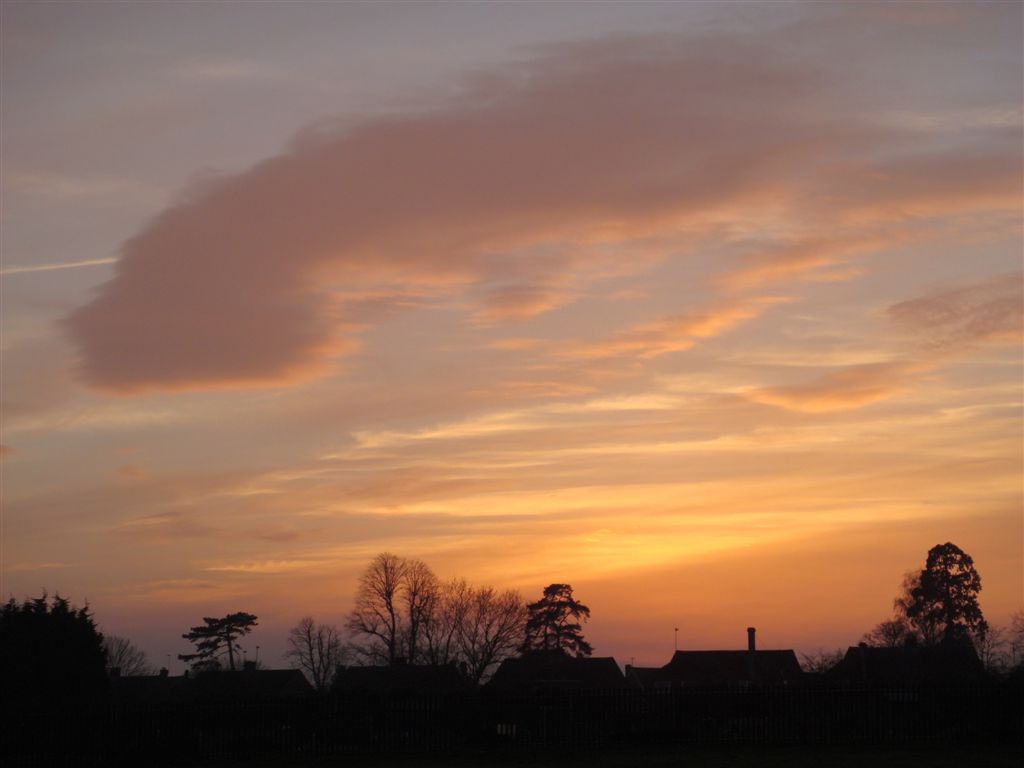
Flitwick Mill at 10 AM on a Frosty December morning The sunsets are equally unusual at this time of year.
A Bedfordshire December 3:30 PM sunset. |
||||||||